


Let’s meet Carlo. He just landed a dream job overseas, and after the initial celebration, his heart sank a little. He looked at his dog, Max, and the big question hit him: “How do I bring my dog with me?”
If you’re like Carlo, that question can feel huge. The idea of moving your best friend across borders brings up a ton of worries about rules, flights, and safety. It’s a lot to handle.
That’s why we’re treating this like a mission, complete with a codename: “Operation Cross-Country Canine.” This guide breaks it all down into a clear, step-by-step plan.
Follow along, and you’ll see this complex process become a totally manageable journey for you and your pup.
Timeline for Traveling with a Dog 🐾
Use this step-by-step timeline to see what needs to happen at each stage so you and your pup can be ready for the big move.
6+ Months Out: Getting Your Bearings 🌍
Way before you even think about packing, you need to learn the rules of your destination country. This is the most important first step, period.
The best place to do this is the USDA APHIS Pet Travel Website. Just pick your country from the dropdown menu, and it will give you a detailed list of its specific import rules.
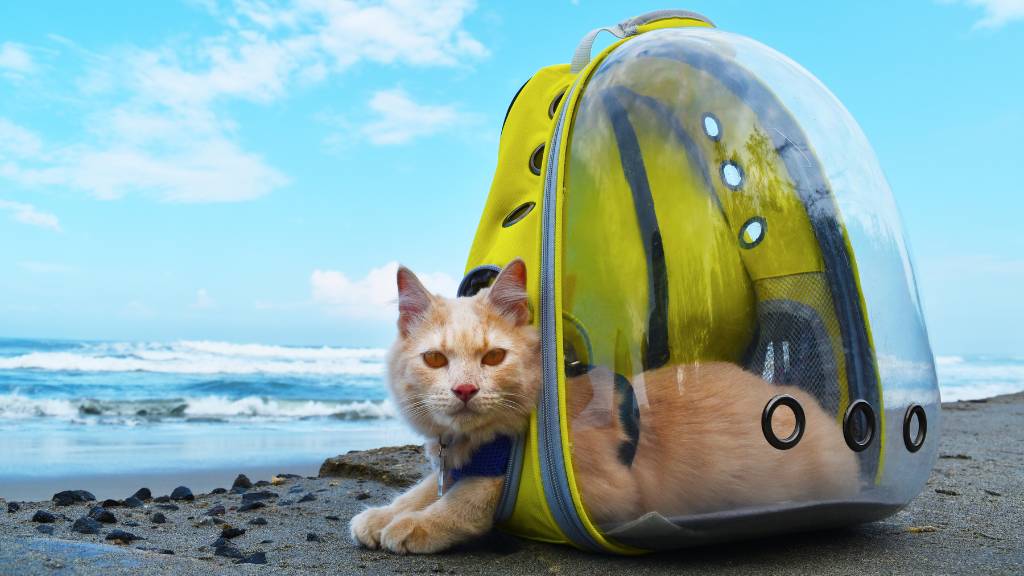
You might be surprised. Some countries are fairly straightforward. Others, especially rabies-free places like Japan or the UK, can have a process that takes a full six months.
Once you have that checklist, it’s time to see your vet. And this isn’t just a routine check-up. It’s a strategy session. For initial questions before you even go in, you can learn a lot by speaking with a veterinarian online.
I talked to Dr. Mykhailo Ozmenchuk, a vet who’s helped tons of pets move abroad. “You have to start with an early vet visit,” he said. “It’s the only way to build a timeline for vaccines and tests. We also need to check the pet’s microchip right away.”
That little chip is a huge deal. Most countries require a specific 15-digit ISO-compliant microchip. If your dog has an older, 10-digit chip, they’ll need a new one.
Critically, the new chip has to be implanted before they get their updated rabies shot, since that chip number has to be on all the paperwork that comes later. Your vet can scan the chip in just a few seconds to see if you’re good to go.
3-5 Months Out: Booking Your Pet-Friendly Trip ✈️
Okay, you’ve got the lay of the land. Now it’s time to book the trip. Don’t just go to an airline’s website and book a ticket for yourself.
You need to call them directly to book your dog’s spot. Not all airlines are created equal when it comes to pet travel, so it’s worth asking about their policies.
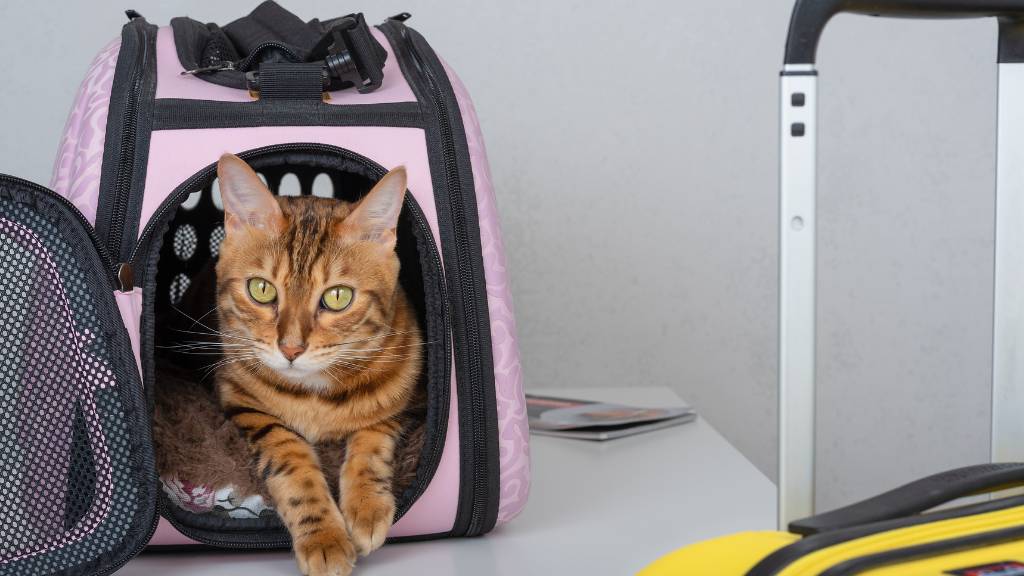
While you’re at it, you can start looking for a place to stay with our nationwide network of pet-friendly hotels.
You’ll have to decide if your dog will fly in the cabin with you or in the cargo hold.
- In-Cabin: This option is for smaller dogs who can fit in a carrier under the seat in front of you. Most airlines have a weight limit of around 17 or 18 pounds, and that includes the carrier. If you’re not sure if your pup qualifies, it might help to check out some examples of many small dog breeds.
- Cargo: For bigger dogs, the cargo hold is the only way. I know it sounds a little scary, but the animal cargo area is pressurized and temperature-controlled, just like the main cabin. It’s a safe space, and often quieter than the busy passenger area.
Next, you need to find the right crate. Our guide on investing in a high-quality, travel-safe dog crate can help you choose one that meets airline standards.
For official rules, the IATA Traveler’s Pet Corner is the best resource. The crate must be made of hard plastic, have vents on all four sides, and have a metal door that locks securely.
Your dog must have enough room to stand up, turn around, and lie down. Once you have the crate, start getting your dog used to it right away. The goal is to make it feel like a safe little den.
1-2 Months Out: The Official Paperwork Chase 📋
Here comes the bureaucratic part, but don’t worry, you can handle it. The main document you’ll need is an international health certificate.
But here’s the catch: your regular vet can’t just sign a form. The exam and paperwork have to be done by a special USDA-accredited veterinarian.

This certificate is the official proof that your pet is healthy and up-to-date on all their shots. The timing for this is strict. Your vet will follow the rules for your destination country, which often include:
- A Rabies Titer Test: Many countries require a blood test to prove the rabies vaccine is working. This has to be done at an approved lab, and it can take several weeks to get the results.
- Parasite Treatments: You may need to get specific treatments for ticks, fleas, or worms done within a narrow window of time before your flight.
After your accredited vet fills out the health certificate, there’s one last step. The forms have to be sent to your state’s USDA APHIS office to be officially endorsed or stamped. That final stamp is what makes it a valid travel document overseas.
Dr. Ozmenchuk gave me a great tip for this phase. “A dog’s personality really comes into play here,” he told me. “A dog from one of our reputable breeders just handles the stress better, which makes it easier on everyone.”
Quick Domestic Mission: A Note on U.S. Pet Travel 🐾
Just planning a trip within the United States? Good news: the process is way simpler. You won’t need all the USDA endorsement paperwork.
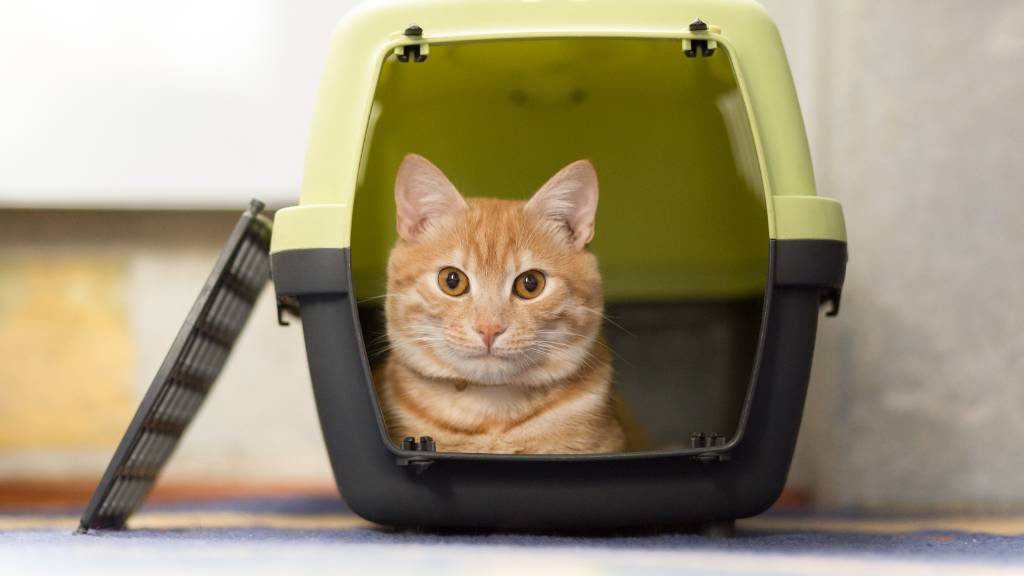
For travel between states, you typically just need a Certificate of Veterinary Inspection (CVI). It’s a basic health certificate from your vet stating your pet is healthy and has its rabies shot. Airlines usually ask for this to be issued within 10 days of your flight.
1 Week Out: The Final Pre-Flight Check 🎒
You’re in the home stretch! It’s time to pack Max’s carry-on bag. It should have everything he’ll need for the journey and the first day in your new home. Include things like:
- A baggie with his regular food. This is also a good reminder to review the guide on avoiding dangerous human foods during the stress of travel.
- Any medications he takes.
- A favorite toy or a small blanket that smells like home.
- A folder with paper copies of all his travel documents.
This is also a good time to call the airline and your hotel one last time to confirm their pet policies and reservations.
If you’re not sure what to ask, check out our guide on What Is a Pet-Friendly Hotel? Everything You Need to Know.
Travel Day: Getting Through the Airport Together 🛫
The big day is here. Start with a good walk to let your dog stretch and burn off some energy, then feed him a light breakfast a few hours before you head out. Get to the airport early, at least three to four hours before an international flight.
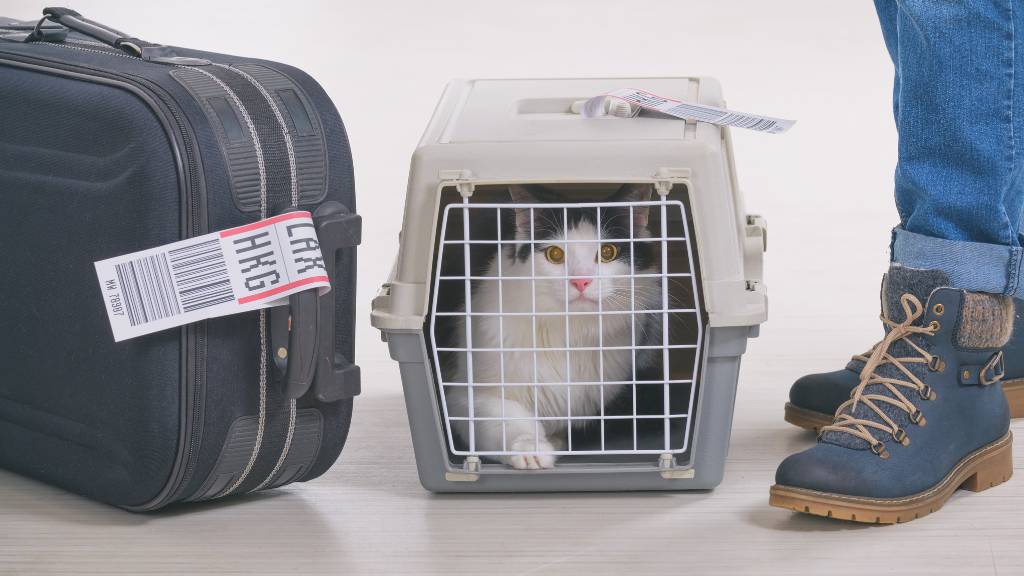
At the check-in desk, you’ll show all of Max’s paperwork. When you get to security, you will take Max out of his carrier.
You’ll walk him through the metal detector with you while the carrier goes through the X-ray scanner. Make sure he’s on a secure leash and harness.
“Your dog will feed off your energy,” Dr. Ozmenchuk reminded me. “If you’re calm, cool, and collected, it helps them stay calm, too.” Once you get to your gate, find a quiet spot to relax.
Mission Accomplished ✅
Seeing Carlo and Max finally arrive at their new home, safe and happy, is what this is all about. It’s a complicated journey, for sure.
But by breaking it down into a phased mission, Carlo made it happen without the stress and confusion.
Of course, this kind of trip isn’t right for every animal. For older pets or those with serious health issues, a kinder choice may be necessary.
If you decide that travel isn’t the best option for your dog, you can explore alternatives like finding a trusted pet hotel to ensure they are safe and cared for while you’re away.

FAQs
Is pet health insurance useful for travel?
Totally. Pet health insurance can cover surprise vet visits if your pet gets sick or hurt on the road. Some plans even help if you need to cancel your trip because of a pet emergency. Just double-check what’s covered and where some policies have location limits.
Can I bring my pet’s favorite snacks on a plane?
Yes, you can! Just check with your airline first to make sure they’re okay with pet food in carry-ons or checked bags. And maybe go light on the treats mid-flight. Nobody wants a gurgly belly at 30,000 feet.
How do I manage time zone changes with my pet?
A few days before you leave, slowly shift your pet’s routine to match your destination. Mealtime and potty breaks, especially. It helps them adjust without too much jet lag (yes, pets can get it too!).
What should I do if my pet gets anxious during travel?
Consider natural calming aids or book an online vet consultation to chat about anti-anxiety options before you travel. Familiar objects like blankets or toys can also help soothe your pet. Practice short travel sessions beforehand to acclimate your pet to the experience.
Are there pet-friendly activities at most travel destinations?
Absolutely. Lots of places have pet-friendly parks, trails, beaches, and even cafés. Do a little digging ahead of time so you can plan adventures you’ll both love.
How can I find a local vet in my travel destination?
Look up local clinics before your trip and keep a few numbers saved just in case. Your hotel or rental host might also have good local vet recommendations.
What if my pet has special dietary needs?
Yes! Bring enough of their regular food to last the trip. If their brand’s hard to find, consider shipping it to your destination ahead of time. No one wants a hungry or upset tummy on vacation.



0 Comments