


We’ve all seen that focused push-and-pull a cat does with its front paws, often called “making biscuits.” It’s one of those universal cat things that leaves us wondering, what’s really going through their mind?
Are they happy? Are they comfortable? Is this just a weird cat-ism we’re meant to accept without question? To get to the bottom of this feline mystery, we knew we couldn’t just consult textbooks.
We needed to go straight to the source. So, we’ve done something a little different (and creative). We’ve gained exclusive access to the private diary of a cat named Leo (a beloved cat we love).
Through his personal entries, interpreted by our resident cat behaviorist, we’ll reveal the vet-backed secrets behind why your cat is such a dedicated baker.
Why Do Kittens Knead? An Instinct from Birth 🐱
From the Diary of Leo: “Today, a scent of something warm and milky filled my dreams. It brought back a fuzzy memory, a time before I could even see properly. My paws knew what to do then, just as they do now. They pressed and pushed, and a feeling of pure safety washed over me. It’s the oldest feeling I know.”
Our expert behaviorist confirms what Leo’s diary hints at: kneading is one of the very first instincts a cat develops. Newborn kittens instinctively press their tiny paws on their mother’s belly while nursing.
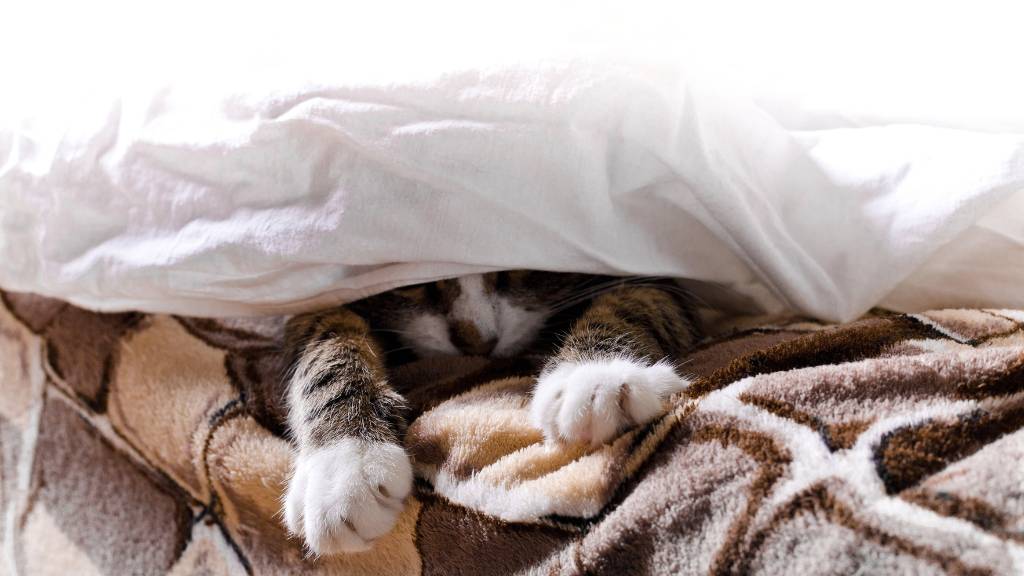
This action serves a critical purpose by stimulating milk production, ensuring they get the nourishment they need to survive and grow. But this early experience forever links the physical act of kneading with the profound feelings of safety, warmth, and maternal comfort.
It’s a behavior hardwired into their brains from day one. This is why positive early life experiences are so crucial; a cat should be well-socialized from kittenhood to grow into a well-adjusted adult cat.
What It Means When Your Cat Kneads You ❤️
From the Diary of Leo: “Long day of napping in sunbeams. The Human finally sat down, and I claimed my rightful spot on their lap. The purrs started rumbling almost on their own, and my paws just had to join in. It’s how I say ‘I love you’ back. It’s how I tell them, ‘You are my safe place.’”
When an adult cat starts making biscuits on your lap, it’s one of the highest compliments they can offer. Our expert explains that your cat isn’t trying to get milk from you. Instead, they’re recreating that feeling of ultimate comfort they had as a kitten.
By kneading on you, Leo is showing that he sees you as a source of safety and maternal comfort. For them, it is a sign of deep affection and trust, which is just one of the many feline signs of love.
The Science of the Cat-Human Bond 🐈
This interaction forges a real biological connection. A 2019 study on affiliative behaviors highlighted that interactions like petting and cuddling can trigger the release of oxytocin, often called the “love hormone,” in both cats and their owners.
This neurochemical helps reduce stress and is crucial for forming social bonds. So, when your cat kneads your lap, you’re both getting a gentle boost of a hormone that physically strengthens your bond.
Why Cats Knead Blankets and Soft Things 🛏️
From the Diary of Leo: “The Humans brought home a new fleece blanket. This is a serious development. I spent a full ten minutes on reconnaissance, circling and sniffing. Then, the real work began: kneading it into the perfect nest. It’s not just about fluffing; it’s about making it mine before I commit to a proper nap.”
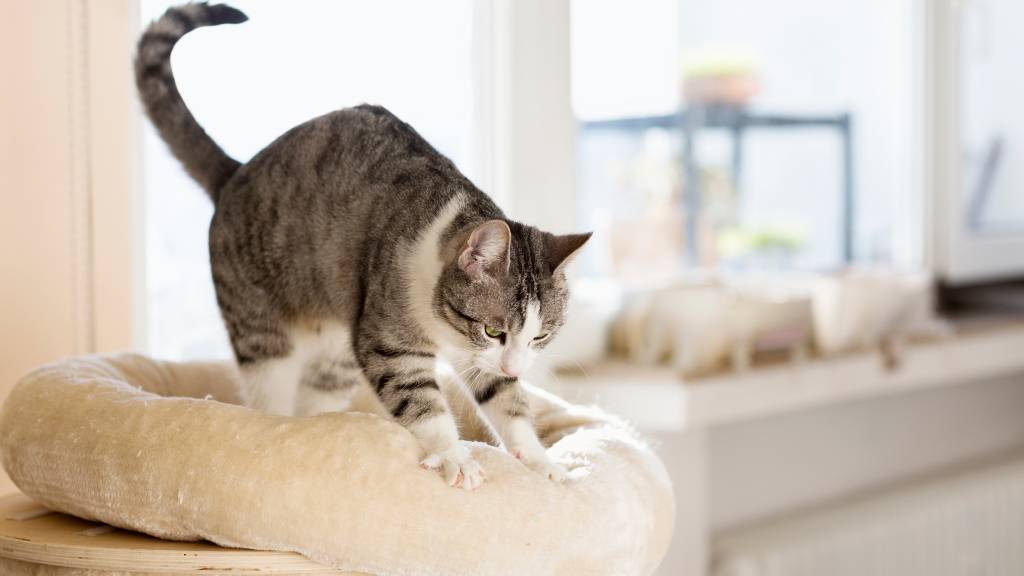
Leo’s nest-making ritual has deep, ancestral roots. Our behaviorist explains that before cats had plush beds and fleece blankets, their wild ancestors had to make their own accommodations.
They would knead down tall grasses, leaves, or soft earth to create a comfortable and concealed den where they could rest or give birth safely.
This instinct to “make a nest” remains incredibly strong in today’s domestic cats. When your cat vigorously kneads a blanket, they are tapping into that ancient behavior, preparing their spot for the perfect nap.
You can lean into this instinct by providing a designated soft blanket or bed, which can make your cat happy and might even protect furniture from their enthusiastic biscuit-making.
A Kneading Cat: Marking What’s Theirs 🐾
From the Diary of Leo: “The sheer audacity. I found the Dog sleeping in my favorite armchair again. I waited until he left, then jumped up and gave the cushions a thorough kneading. Paws pushed deep. Message sent. Now it smells right again. It smells like me.”
As Leo’s entry shows, kneading is also a quiet but effective way for cats to mark their territory. Cats have scent glands located in the soft pads of their paws. Every time they push their paws into a surface, they deposit their own unique pheromones, leaving behind an invisible message that says, “This is mine.”
This scent-marking helps a cat feel more secure in its environment. By kneading you, a blanket, or a favorite chair, your cat is claiming that person or object as part of their safe territory.
This is possible thanks to the special scent glands in their paw pads, also known as their “toe beans.” It’s a subtle act of ownership that reinforces their sense of belonging in your home.
How to Manage Your Cat’s Kneading Behavior 😻
From the Diary of Leo: “Sometimes, when I’m at peak happiness on the Human’s lap, my claws slip out a little. The Human flinches and says, ‘Ow!’ I wish they understood it’s the biggest compliment I can give. I’m not trying to be a cactus, I promise.”
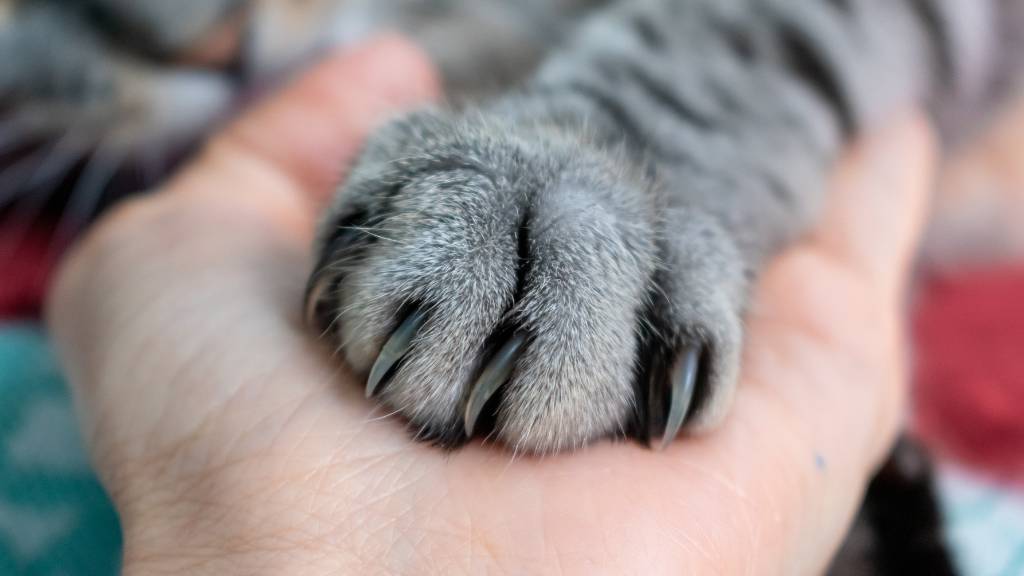
Understanding that kneading is a normal, instinctual behavior is the first step. The goal should never be to stop them from doing it, but to manage it so it’s a pleasant experience for everyone.
When Kneading is Painful (For You!) 🐈⬛
A purring cat digging needle-like claws into your legs can be more painful than pleasant. It’s crucial never to punish your cat for this behavior; they aren’t doing it to hurt you. Instead, try these gentle solutions:
- Regular Nail Trims: Keeping your cat’s claws trimmed short is the easiest way to minimize accidental scratches.
- Use a Dedicated Blanket: Keep a thick, soft fleece blanket nearby. When your cat hops on your lap to settle in, place it between you. They get a perfect surface for kneading, and you get a layer of protection.
When Adult Cats Knead Excessively 🐾
While kneading is normal, a sudden increase or obsessive kneading can sometimes be a sign of stress or anxiety. A cat might knead excessively to self-soothe when they feel insecure.
If you notice this, pay attention to the context and look for other signs of stress or anxiety. Have there been any recent changes in the home, like a new pet, a new schedule, or a move?
If the behavior is new, seems compulsive, or is accompanied by other concerning symptoms, consulting an online veterinarian can help rule out any underlying issues.
Learning to understand your cat’s body language is key to spotting when something might be wrong.
Vet Takeaways on Kneading 😺👨🏻⚕️
Here are the key points to remember, straight from our expert:
- Kneading is a deep-rooted instinct that starts in kittenhood to stimulate milk flow.
- It’s a powerful sign of love, contentment, and trust when directed at you.
- Cats also knead to create a comfortable resting spot, an ancestral “nesting” behavior.
- It’s a way for cats to mark their territory using the scent glands in their paws.
- Manage sharp claws with regular trims and soft barriers, but never punish the act itself.
- Pay attention to context. Excessive kneading can sometimes be a self-soothing mechanism for stress. For additional clinical information, trusted resources like VCA Animal Hospitals provide excellent guides on feline behavior.
Wrapping Up: A Final Diary Entry 📝
From the Diary of Leo: “The Humans think ‘making biscuits’ is just a silly thing I do. But it’s not. It’s my art. It’s how I turn a soft blanket into a bed. It’s how I turn a lap into a throne. It’s how I turn a house into a home. My home.”
Ultimately, kneading is a special form of communication from your cat. It’s a quiet reminder of their kittenhood, a declaration of their affection, and a sign that they feel utterly safe and at home with you.
By cherishing this unique behavior, you can better understand your cat’s happiness. This understanding is key to knowing What Do Cats Like? Top 10 Things and creating a joyful environment for them.

Your Kneading Questions Answered
Why do some cats drool when they knead?
Drooling while kneading is quite common and ties back to the behavior’s origin. When kittens knead their mother to nurse, they are rewarded with milk. As adult cats, the intense relaxation and contentment they feel while kneading can trigger an association with nursing, causing them to drool in anticipation. It’s usually a sign of a very happy cat.
Is it bad if my cat doesn’t knead?
Not at all. While most cats knead, some simply don’t. The absence of kneading isn’t a sign that your cat is unhappy or doesn’t love you. Every cat is an individual and shows affection in different ways. Some cats might be more vocal, while others might show love by head-butting or simply staying close to you.
My cat bites the blanket while kneading. Why?
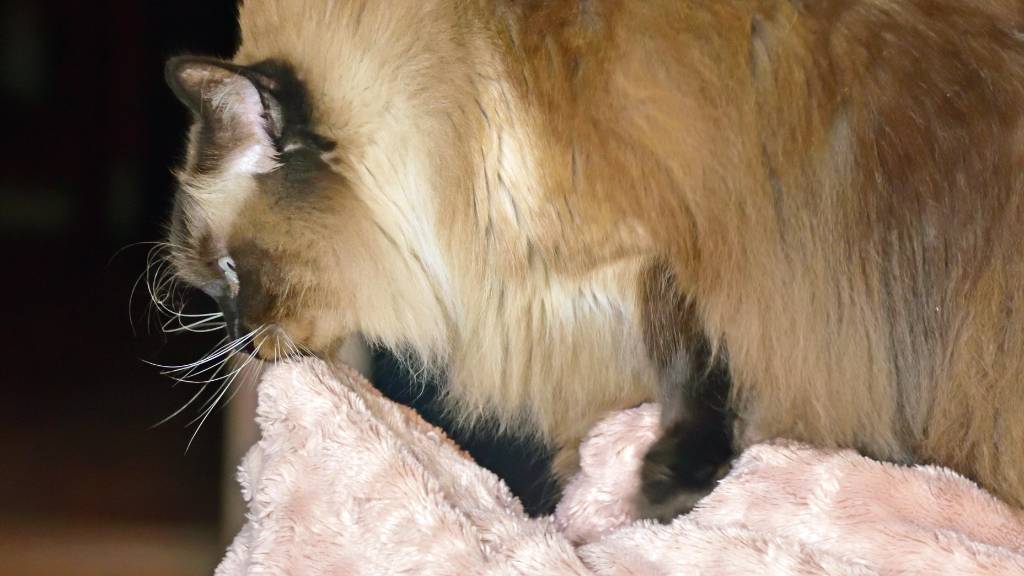
This is another behavior tied to nursing. Kittens will sometimes bite or nibble gently while nursing, and this action can carry over into adulthood along with kneading. When a cat bites a blanket while kneading, it’s mimicking the complete nursing experience. It’s a self-soothing action that shows they feel secure and content.
When should I worry about my cat’s kneading?
You should only be concerned if you notice a sudden and significant change in the behavior. For example, if your cat, who rarely kneaded before, suddenly starts kneading obsessively, it could be a sign of stress or a medical issue causing discomfort. In such cases, observing for other changes in behavior and consulting with a veterinarian is the best course of action.

Loved the detailed breakdown of cat kneading! My cat, Oliver, kneads me when I’m working on my laptop)))