


We once tried to understand the world of emotional support animals. And yes, there’s so much information out there, and it’s hard to know what’s accurate and what isn’t.
We saw the confusion and knew that behind the search for answers is a need for comfort and clarity. That’s why we put together this guide. We asked a licensed therapist and a veterinarian to answer the most common questions we hear.
Our goal is to give you expert-backed answers to help you on your journey. As you read this, you will know this as a conversation with professionals who get it.
The Role and Benefits of an ESA 🐶🐱
To start, let’s get to the heart of what an emotional support animal truly is and the vital role they play. We asked our partnering licensed therapist to break down the fundamentals.
What is an emotional support animal? 🐶
An emotional support animal, or ESA, is a companion animal that a licensed mental health professional has determined provides a therapeutic benefit to someone with a mental or emotional disability.

The key difference between an ESA and a pet is the documented therapeutic need. While most pets provide us with love and joy, an ESA is formally recognized as part of a person’s treatment plan. It has a specific supportive effect on its owner. And it’s not limited to one species.
What do emotional support animals do? 🐱
Their primary function is to provide comfort, stability, and companionship that helps ease one or more symptoms of a person’s disability. We’ve seen firsthand how their presence can be transformative.
For someone struggling with anxiety, an ESA can be a calming presence during a panic attack. For a person dealing with depression, the simple act of caring for an animal provides a routine and a much-needed sense of purpose, combating feelings of loneliness. They don’t perform specific tasks, but their steady, non-judgmental companionship is the therapy.
What Types of Animals Can Be ESAs? 🐾
While dogs and cats are the most common, many different animals can provide therapeutic benefits. Here’s how a few of them can help:
- Dogs: As intuitive companions, dogs are excellent at encouraging routine. The need for playtime can provide structure for someone struggling with depression. Their physical presence is often grounding, and the simple act of petting them can ease anxiety.
- Cats: Known for their calming demeanor, cats offer a low-demand form of companionship. The sound and feeling of a cat purring can be incredibly soothing and has been shown to lower stress. Their independent nature makes them a great fit for individuals who may not have the energy for a high-maintenance pet.

- Rabbits: These quiet and gentle animals are perfect for smaller living spaces. The repetitive, calming motion of petting their soft fur can be a great form of stress relief. Their gentle nature can help create a peaceful environment.
- Birds: For those feeling isolated, the cheerful chirping of a bird can fill a home with life and sound, combating silence and loneliness. The daily routine of care and interaction also provides a welcome sense of purpose.
What Are the Main Emotional Support Animal Benefits? 💛
The benefits are both emotional and physiological, and they are increasingly being backed by science. The simple act of petting an animal can lower cortisol, the stress hormone, and increase oxytocin, which promotes bonding.
Research from the Human Animal Bond Research Institute (HABRI) has shown that the human-animal bond can lead to reduced stress, lower blood pressure, and even increased social interaction.
For individuals with conditions like PTSD, anxiety, or depression, these effects are just a few examples of the profound benefits of animal companionship that science continues to uncover.
The Process: How Do I Get an Emotional Support Dog or Animal? 🐶
Understanding the qualification process is crucial. It involves both the person’s mental health needs and the animal’s suitability as a companion. We asked both our therapist and our veterinarian to explain how it works.
What qualifies a person for an emotional support animal? 🏃♀️
Our therapist clarifies that the qualification is based on a specific mental health need. A person must have a diagnosed mental or emotional disability that is recognized in the Diagnostic and Statistical Manual of Mental Disorders (DSM-5).

This includes conditions like major depressive disorder, generalized anxiety disorder, or post-traumatic stress disorder.
From there, a licensed mental health professional, such as a therapist or psychologist, must determine that the animal’s presence is a necessary component of the individual’s treatment plan. The animal must provide tangible relief from the symptoms of the diagnosed condition.
How to make your dog an emotional support dog. 🐕
This is a common point of confusion. The process isn’t actually about “making” your dog anything. It’s about you, the owner, being recognized as needing their support.
Our therapist outlines three key steps:
- Consult a Professional: Start by speaking with a licensed mental health professional, like a therapist, psychologist, or psychiatrist.
- Undergo an Evaluation: The professional will conduct an assessment to understand your mental health and determine if an ESA would be a beneficial part of your treatment.
- Receive an ESA Letter: If they find that you qualify, they will write an official ESA letter. This letter is the formal documentation that states your need for the animal.
What are the emotional support dog requirements for the animal? 🐾
From a veterinarian’s perspective, the focus is on the animal’s well-being and behavior. Legally, there are no specific requirements for an ESA’s breed, size, or training. However, that doesn’t mean every animal is a good fit.
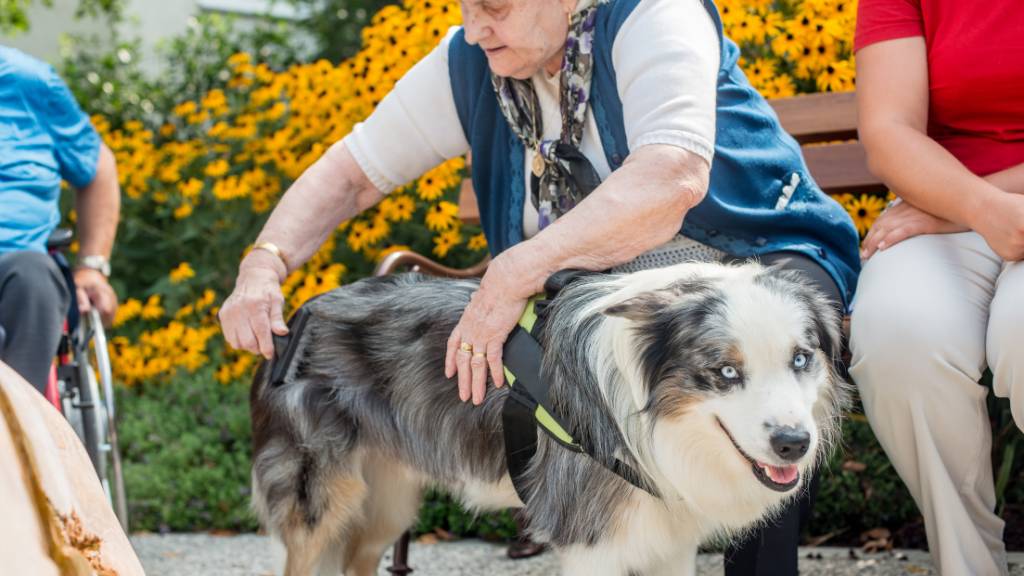
The most important factor is temperament. An ideal ESA is calm, predictable, and well-behaved. The animal must be manageable and not pose a threat or nuisance to others, especially in a housing situation.
A dog that is aggressive or an animal that is destructive will only add stress, defeating the entire purpose. The foundation for a great support animal often begins with their upbringing.
Emotional Support Animal Rules and Rights 🪶
The legal landscape can be confusing, so we asked our experts to clarify where ESAs are protected and what responsibilities fall on you as an owner.
Emotional support dog vs service dogs: What’s the difference? 🐕
Our therapist gets this question all the time. The main difference is training and function.
A service dog is individually trained to perform specific tasks for a person with a disability. For example, a guide dog for someone who is visually impaired or a psychiatric service dog trained to perform pressure therapy during a PTSD episode. Their training is directly tied to their handler’s disability.
An emotional support animal, on the other hand, is not required to have any specific training. Their therapeutic benefit comes from their simple presence and companionship.
Can emotional support dogs go anywhere? 🐶
From the vet’s point of view, the answer is direct: No. This is one of the biggest misconceptions. The primary legal protection for an ESA is in housing. The Fair Housing Act (FHA) requires landlords to provide reasonable accommodation for emotional support animals, even in buildings with “no pets” policies.

This means a landlord cannot deny you housing because of your ESA. You can find more details directly on the HUD website. However, ESAs do not have the same public access rights as service animals.
They are generally not allowed in places like restaurants, shopping malls, or grocery stores. Additionally, the Air Carrier Access Act was updated, and airlines are no longer required to accommodate ESAs in the cabin.
What are my responsibilities as an ESA owner? ❤️
Our veterinarian stresses that an ESA is, first and foremost, a living creature that depends on you. Owning an ESA comes with the same responsibilities as owning any pet. You are responsible for the animal’s complete care.
This includes providing food, shelter, and regular veterinary check-ups to monitor their physical health. It is your job to ensure your animal is up-to-date on vaccinations, well-behaved, and does not pose a threat to anyone.
An ESA letter doesn’t change these fundamental duties; if anything, it highlights the importance of being a responsible owner.
Finding the Right Support Animal for You 🐾
Choosing a companion is a deeply personal decision. It’s about finding a partner whose needs and energy align with your lifestyle.
Our veterinarian offers this advice: Think realistically about your living situation and capacity for care. Different animals and breeds have vastly different energy levels and social needs. For someone living in a small apartment, many small dog breeds can be excellent companions.

If you’re looking for a more independent but equally loving partner, certain fluffy cat breeds are known for their calm and affectionate nature.
Lastly, the most important step is sourcing your animal responsibly. A healthy, well-socialized animal is better equipped to provide stable companionship. Making sure you choose a reputable breeder is a critical first step in that process.
Your Partnership Begins Here ❤️
The bond with an emotional support animal is a powerful partnership. It’s a journey that starts with understanding, continues with responsibility, and results in a unique form of healing.
When you’re ready to find that perfect, healthy companion, American Paws Club is here to connect you with a nationwide network of verified, responsible breeders.
Start your search today and take the first step toward a life-changing partnership.

Frequently Asked Questions
Can a cat be an emotional support animal?
Yes, absolutely. Any domesticated animal can legally be an ESA, and cats are a very popular choice. As long as a licensed mental health professional provides a letter stating your need for the animal, a cat qualifies.
Do I need to register my emotional support animal?
No. There is no official, government-run registry for emotional support animals. The only documentation you need is the official ESA letter written by your licensed mental health provider. Be wary of online services that sell “registrations” or “certifications,” as these are not legally recognized and hold no value.
Can I get an ESA letter online?
While some telehealth services offer this, you have to be careful. The key is to ensure you are properly evaluated by a mental health professional who is licensed to practice in your state. A legitimate process will always involve a real-time consultation with a provider. For general questions about your pet’s health before you start, consulting with an online veterinarian can be a helpful and convenient first step.



Emotional support animals are true lifesavers. My cat provides so much comfort. Any advice for someone considering an ESA?